
n the rapidly evolving world of fashion and technology, a groundbreaking transformation is taking place. Gone are the days of expensive photoshoots, limited model diversity, and time-consuming product imagery. Enter the era of AI fashion models – a game-changing innovation that’s reshaping how brands showcase their products.
The Rise of Digital Avatars: Understanding AI Fashion Models
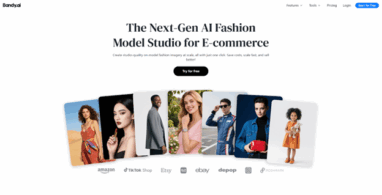
Imagine creating stunning, professional product images with just a few clicks. AI fashion models are making this a reality, offering brands unprecedented flexibility and creativity. These digital avatars aren’t just computer-generated images; they’re sophisticated representations that capture human nuances, body diversity, and realistic movements.
Why AI Fashion Models Are More Than Just a Trend
Traditional fashion photography comes with significant challenges:
- High production costs
- Limited model diversity
- Time-consuming photoshoots
- Inflexible visual representations
AI fashion models solve these problems by providing:
- Cost-effective image generation
- Unlimited diversity
- Instant visual creation
- Customizable representations
Breaking Barriers: Diversity and Representation
One of the most exciting aspects of AI fashion models is their ability to represent diverse body types, ethnicities, and styles. Unlike traditional modeling, these digital avatars can be instantly customized to reflect various demographics, ensuring that every customer sees themselves represented.
The Technology Behind the Magic
Advanced machine learning algorithms and generative AI technologies power these digital models. By analyzing thousands of real human images, these systems can create photorealistic representations that look remarkably human-like.
Key technological components include:
- Deep learning neural networks
- Generative adversarial networks
- Advanced image recognition algorithms
Practical Applications for Brands
E-commerce platforms and fashion brands are quickly adopting AI fashion models for multiple reasons:
- Product Visualization
AI models can instantly showcase clothing on different body types, helping customers better understand fit and style. - Marketing Efficiency
Brands can generate multiple product images within minutes, dramatically reducing production time and costs. - Personalized Shopping Experiences
By offering more inclusive and adaptable visual representations, brands create more engaging shopping experiences.
Real-World Example: Bandy AI Fashion Model Studio
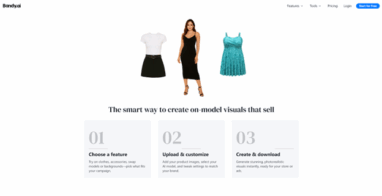
Among the emerging solutions, Bandy AI stands out as a comprehensive AI fashion model studio that helps brands effortlessly create lifelike fashion imagery. It allows teams to generate diverse, high-quality AI models within minutes — eliminating the need for traditional photoshoots. With Bandy AI, fashion retailers can instantly visualize collections across various demographics and aesthetics, maintaining both brand identity and visual consistency.
The Economic Impact
The potential economic benefits are substantial. Brands using AI fashion models report:
- 65% increase in conversion rates
- 30% reduction in photography expenses
- Faster time-to-market for new collections
Ethical Considerations and Challenges
While exciting, AI fashion models also raise important ethical questions:
- Representation and authenticity
- Potential job displacement for human models
- Ensuring realistic and respectful digital representations
Industry experts recommend maintaining a balanced approach that complements, rather than completely replaces, human models.
Future Predictions: Where Are AI Fashion Models Heading?
The future looks incredibly promising. We can expect:
- More sophisticated, hyper-realistic digital avatars
- Enhanced customization options
- Integration with augmented reality (AR) shopping experiences
- More inclusive representation strategies
Emerging Trends to Watch
- Virtual Fitting Rooms
AI fashion models will enable customers to try on clothing virtually with AI. - Personalized Styling Recommendations
Advanced algorithms will suggest outfits based on individual body types and preferences. - Global Fashion Accessibility
Brands can create localized visual content quickly and cost-effectively.
Implementing AI Fashion Models: Best Practices
For brands considering this technology, consider:
- Start with small-scale implementations
- Prioritize diversity and authenticity
- Maintain high-quality visual standards
- Continuously update your AI model library
Conclusion: A New Visual Frontier
AI fashion models represent more than technological innovation – they symbolize a broader shift towards more inclusive, efficient, and creative product visualization. As technology continues advancing, these digital avatars will become increasingly sophisticated, offering brands unprecedented opportunities to connect with customers.
The fashion industry stands at an exciting crossroads. Those who embrace AI fashion models will likely lead the next wave of e-commerce innovation, creating more engaging, personalized, and accessible shopping experiences.
Are you ready to explore this transformative technology? The future of fashion visualization is here, and it’s powered by artificial intelligence.